
Piercing aftercare
During the healing process, follow these guidelines:
• Touch the piercing as little as possible.
• Do not apply any ointment or disinfectant such as Sterilon® or Betadine® to the wound (unless otherwise instructed by a doctor).
• Keep hairspray, gel, or other products away from an ear piercing.
• Avoid using plasters over the piercing (except temporarily during sports).
• Do not wear tight or dirty clothing over the piercing.
• Avoid (bubble) baths, swimming pools, saunas, and steam baths.
• Never remove the piercing yourself.
For oral piercings, also pay attention to the following:
• Avoid kissing and oral sex during the healing process.
• Regularly brush your teeth, preferably with a saltwater-based toothpaste, and use mouthwash based on a chlorhexidine solution if necessary.
For genital piercings, also pay attention to the following:
• Drink a glass of water about one hour before cleaning your genital piercing. This will help flush soap residues faster after washing. Soap in the urethra can cause a urinary tract infection.
• Always protect genital piercings during sexual contact with an extra strong condom (e.g., a condom for anal sex) or a dental dam. Preferably, avoid sexual contact during the healing process.
Note: The skin around your piercing may become red and swollen immediately after piercing. This is normal.
However, contact your doctor if:
• you are concerned about the healing process;
• you become ill or develop a fever within a few days after getting the piercing;
• physical symptoms such as itching and redness have not improved within 48 hours after getting the piercing;
• you suddenly experience new symptoms or the symptoms worsen 24 hours after getting the piercing;
• you want to remove the piercing during the healing process (e.g., due to discomfort or signs of rejection or migration).
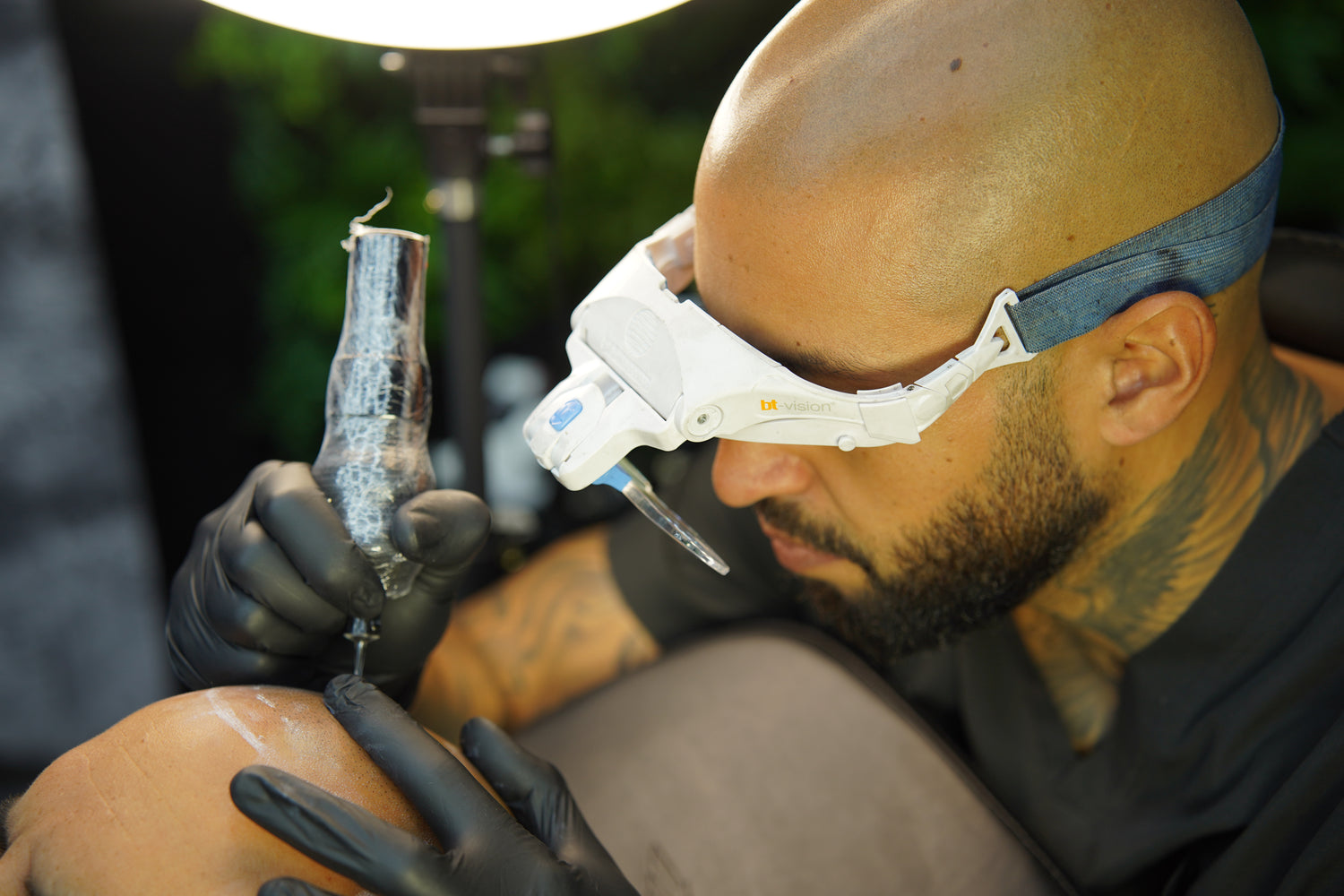
Scalp Micropigmentatie (SMP)
De natuurlijke oplossing voor haaruitval en dunner wordend haar
Scalp Micropigmentatie, ook bekend als micro haarpigmentatie, is een veilige en niet-chirurgische behandeling waarbij natuurlijke pigmenten in de hoofdhuid worden aangebracht.
Het resultaat is een realistische, volle uitstraling of een perfect geschoren look die je zelfvertrouwen een boost geeft.
Meer haardichtheid en een vollere look
SMP is niet alleen geschikt bij kaalheid, maar ook ideaal voor mensen met dunner wordend haar.
Door fijne pigmenten tussen de bestaande haren te plaatsen, ontstaat de illusie van meer volume en dichtheid.
Een uitstekende keuze voor zowel mannen als vrouwen die hun natuurlijke look willen versterken zonder operatie of hersteltijd.
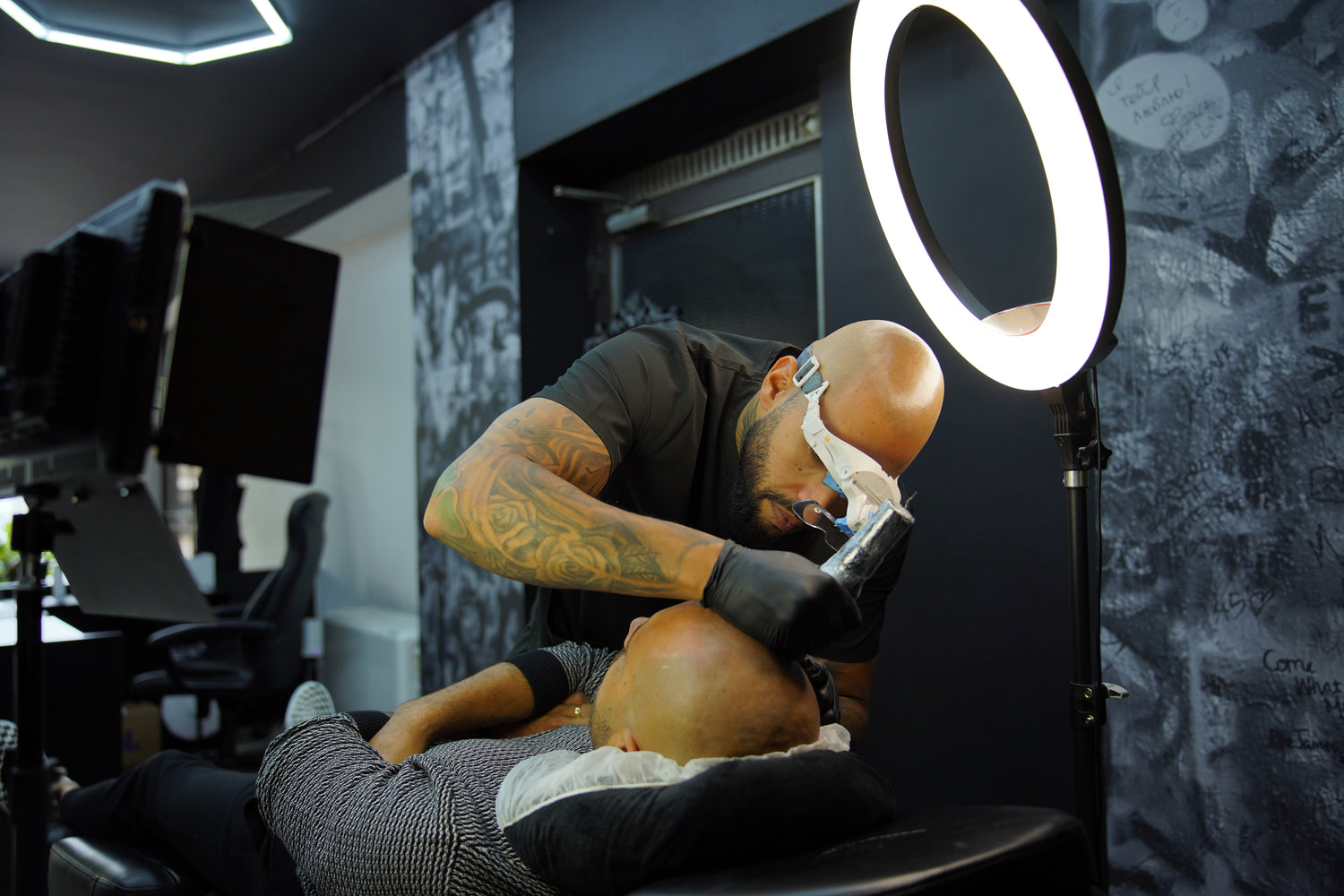
Precisie, pigment en perfectie
Onze specialisten werken met ultrafijne naalden om pigment in de bovenste huidlaag van de hoofdhuid aan te brengen.
De kleur wordt zorgvuldig afgestemd op je haartint en huidtype, zodat het resultaat natuurlijk en realistisch oogt.
Elke behandeling vindt plaats in een ontspannen, hygiënische omgeving met gebruik van de nieuwste apparatuur.
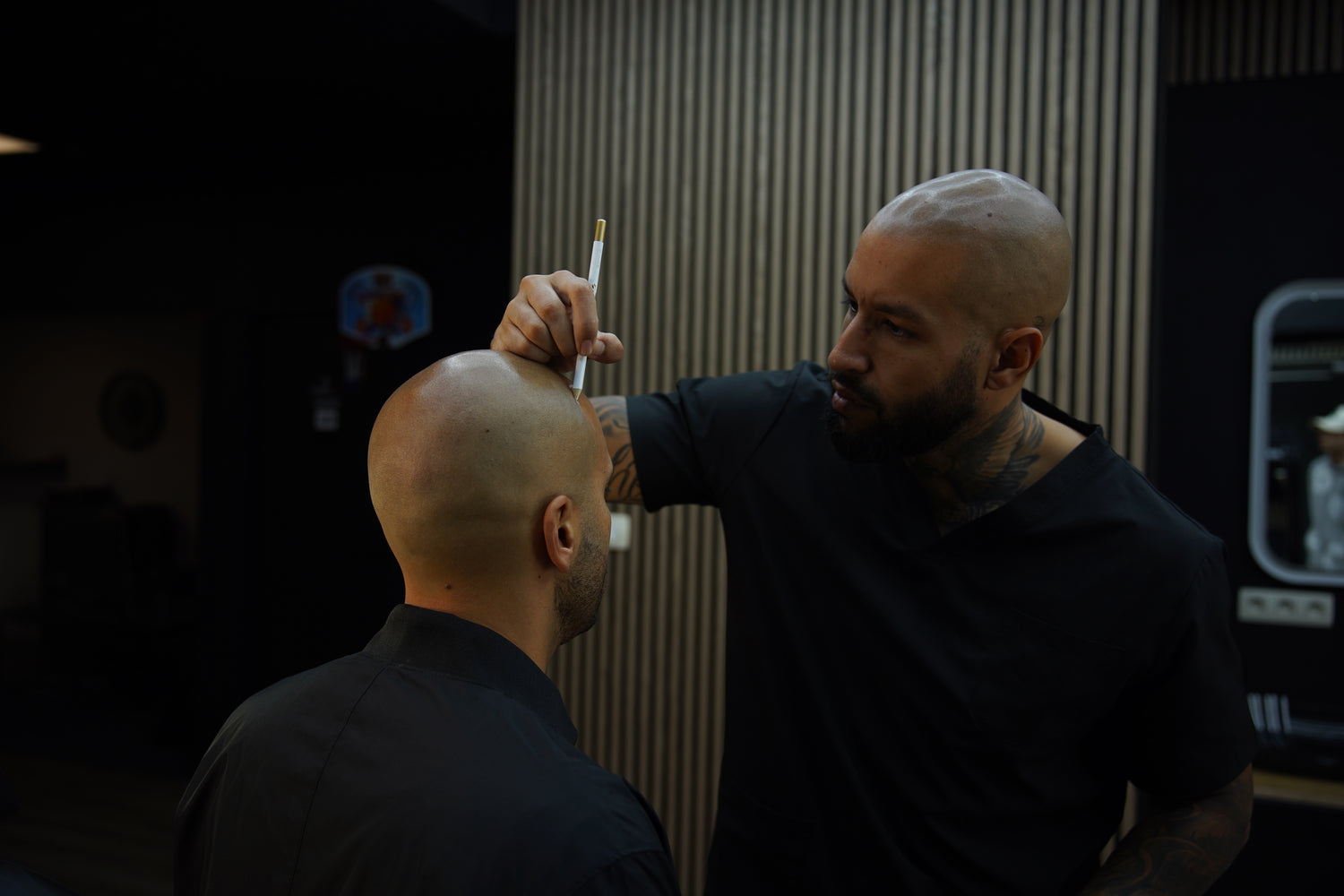
Direct zichtbaar, langdurig resultaat
Na de eerste sessie zie je al duidelijk verschil: een natuurlijke haarlijn of een egale, geschoren uitstraling.
De pigmentatie blijft jarenlang mooi, met minimale nazorg.
Scalp Micropigmentatie zorgt niet alleen voor een voller kapsel, maar ook voor vernieuwd zelfvertrouwen.
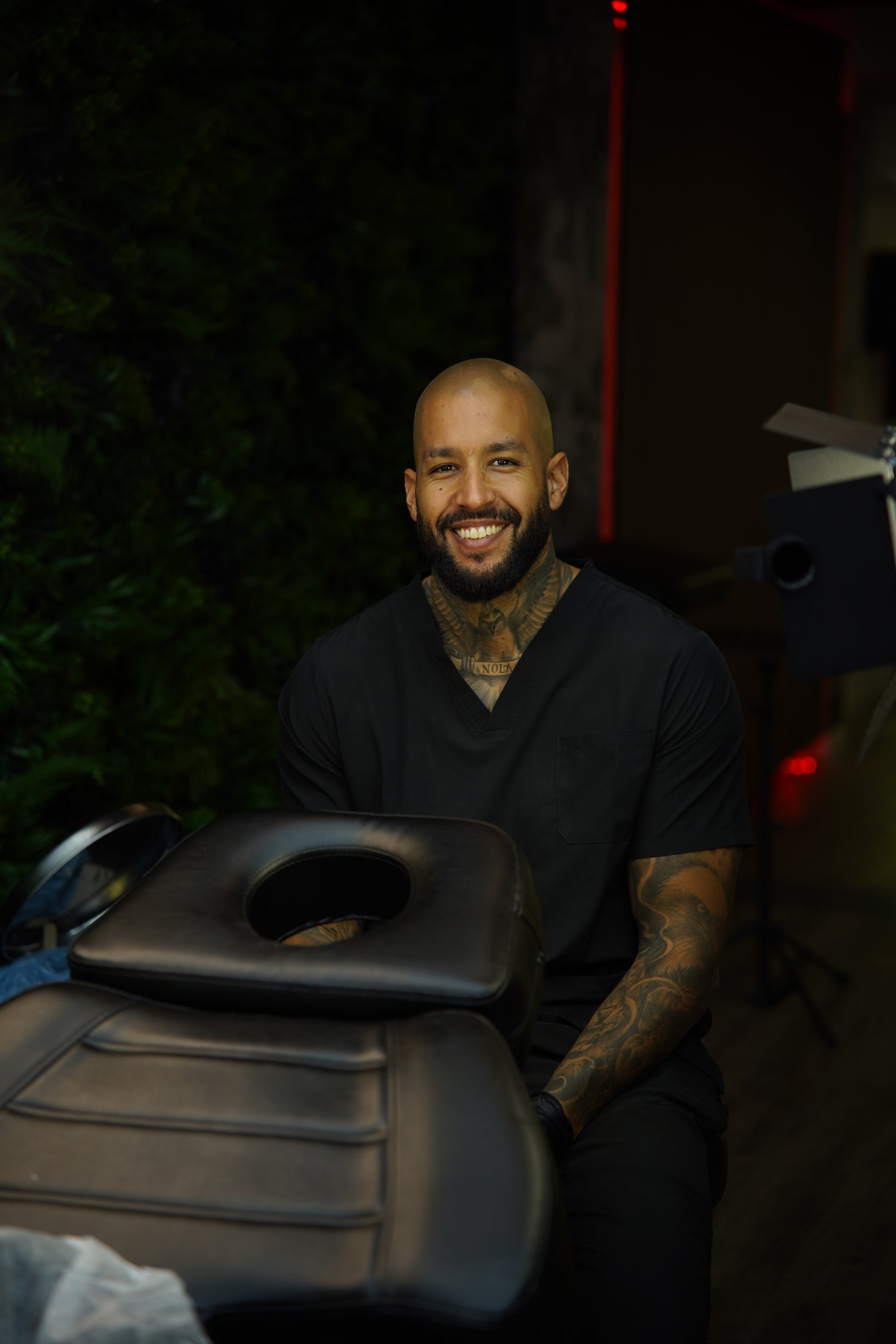
Vrijblijvend advies bij Goons & Queens
Benieuwd of SMP iets voor jou is?
Onze ervaren specialisten geven graag persoonlijk advies en stellen een behandelplan op maat samen.
Boek vandaag nog een vrijblijvende consultatie en ontdek wat Scalp Micropigmentatie voor jou kan betekenen.