
Information about the risks of piercing
Getting piercings involves risks.
Therefore, make sure you are well-rested and have eaten. Inform the piercer about any medication use or skin problems, allergies, epilepsy, and hypersensitivity reactions. Also, check on www.veiligtatoeerenenpiercen.nl if the studio where you want to get pierced has a permit.
This permit indicates that the studio follows the hygiene guidelines of the National Center for Hygiene and Safety.
Do not get a piercing in the following situations:
• in areas where you have undergone plastic surgery or radiation therapy in the past year;
• in a place that has been pierced less than three months ago;
• on irritated skin, such as bumps, dark moles, or swellings;
• if you are under the influence of alcohol or drugs;
• if you are pregnant.
Additionally, it is advised against getting a piercing if you have any of the following conditions:
• diabetes;
• hemophilia;
• chronic skin disease;
• allergy to piercing materials;
• immune disorder;
• heart and vascular abnormalities.
If you have any of these conditions or if you are using anticoagulants or antibiotics and still want to get a piercing, first discuss the possibilities with a doctor. For background information on the above risks, visit www.veiligtatoeerenenpiercen.nl.
Getting a piercing:
As the piercing process creates a wound, there is a risk of contracting diseases transmitted through blood, such as hepatitis B and C. Therefore, ensure that the piercer works hygienically.
A hygienic approach is also important to prevent your new piercing from getting infected.
Make sure that:
• the skin is cleaned and disinfected before piercing;
• the needle and piercing are sterile and not touched with bare hands;
• the piercer wears gloves during the piercing process.
Getting a piercing can cause some pain.
Consult your doctor if you want anesthesia. Aftercare A new piercing is comparable to a deep wound. Poor care and unhygienic treatment can cause wound infections and scar tissue. With proper care, it takes 4 to 12 weeks for the wound to heal. The piercer provides oral and written explanations about piercing aftercare. Read this carefully. In some people, scar tissue may form after getting a piercing.
Scalp Micropigmentatie (SMP)
De natuurlijke oplossing voor haaruitval en dunner wordend haar
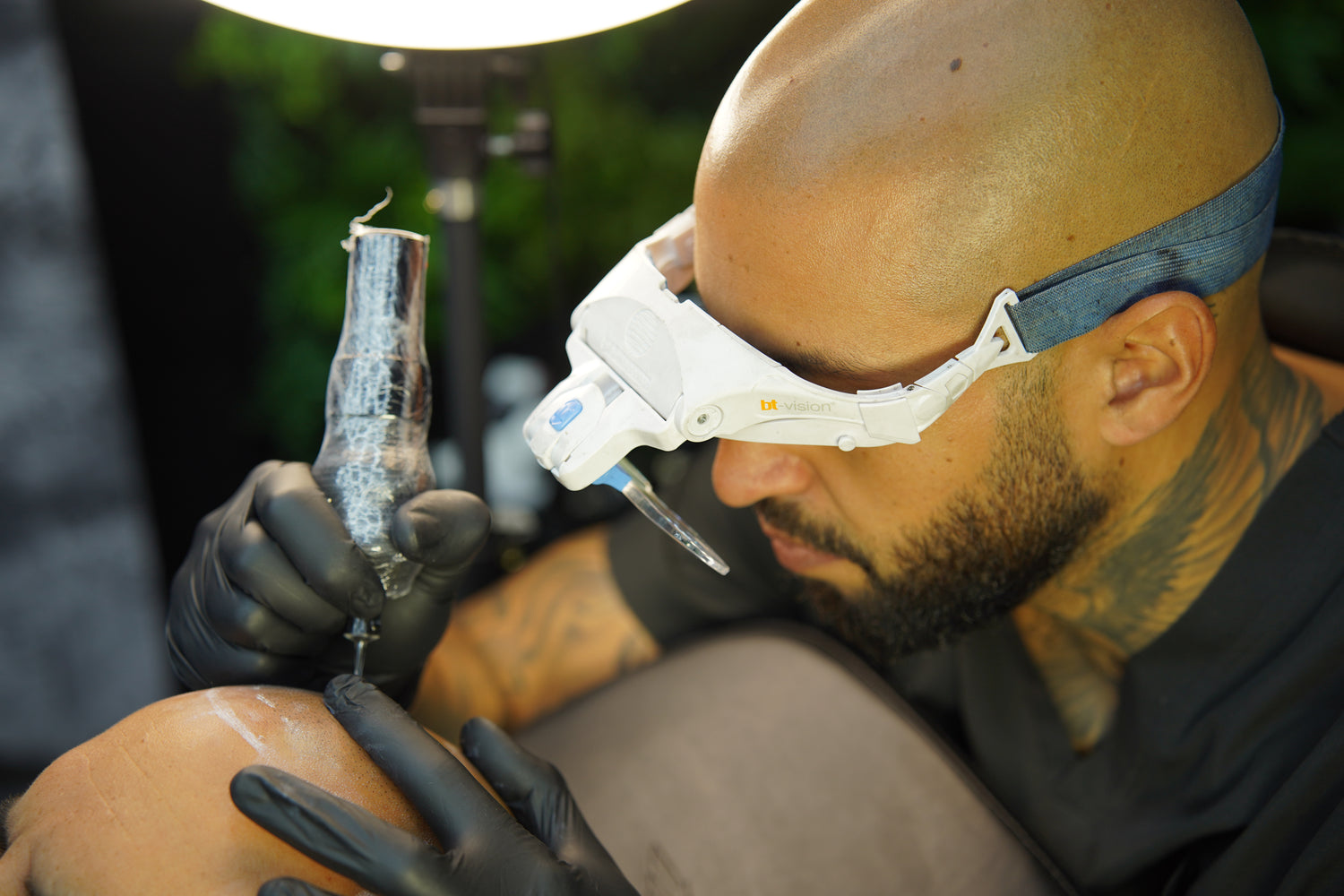
Scalp Micropigmentatie, ook bekend als micro haarpigmentatie, is een veilige en niet-chirurgische behandeling waarbij natuurlijke pigmenten in de hoofdhuid worden aangebracht.
Het resultaat is een realistische, volle uitstraling of een perfect geschoren look die je zelfvertrouwen een boost geeft.
Meer haardichtheid en een vollere look
SMP is niet alleen geschikt bij kaalheid, maar ook ideaal voor mensen met dunner wordend haar.
Door fijne pigmenten tussen de bestaande haren te plaatsen, ontstaat de illusie van meer volume en dichtheid.
Een uitstekende keuze voor zowel mannen als vrouwen die hun natuurlijke look willen versterken zonder operatie of hersteltijd.
Precisie, pigment en perfectie
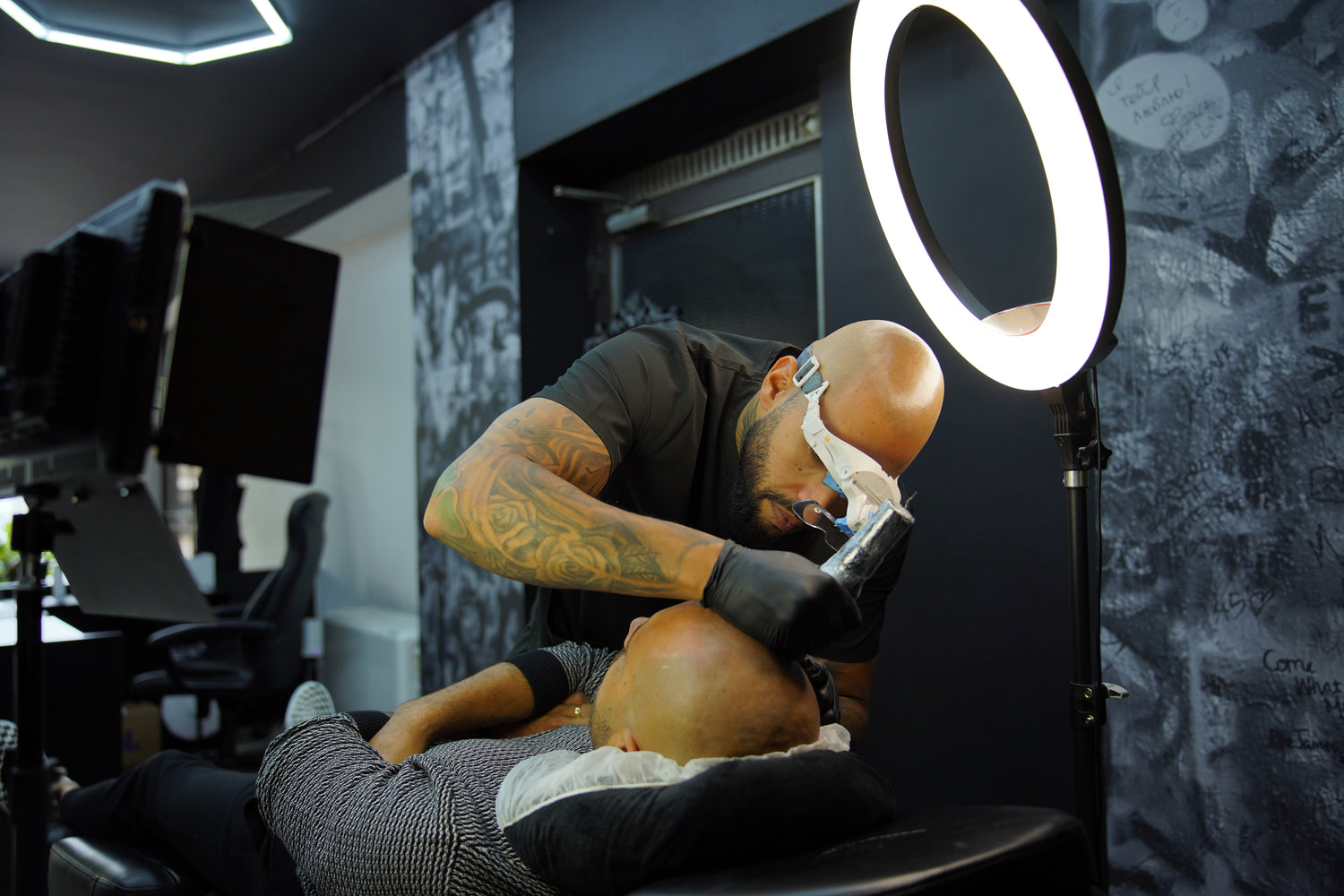
Onze specialisten werken met ultrafijne naalden om pigment in de bovenste huidlaag van de hoofdhuid aan te brengen.
De kleur wordt zorgvuldig afgestemd op je haartint en huidtype, zodat het resultaat natuurlijk en realistisch oogt.
Elke behandeling vindt plaats in een ontspannen, hygiënische omgeving met gebruik van de nieuwste apparatuur.
Direct zichtbaar, langdurig resultaat
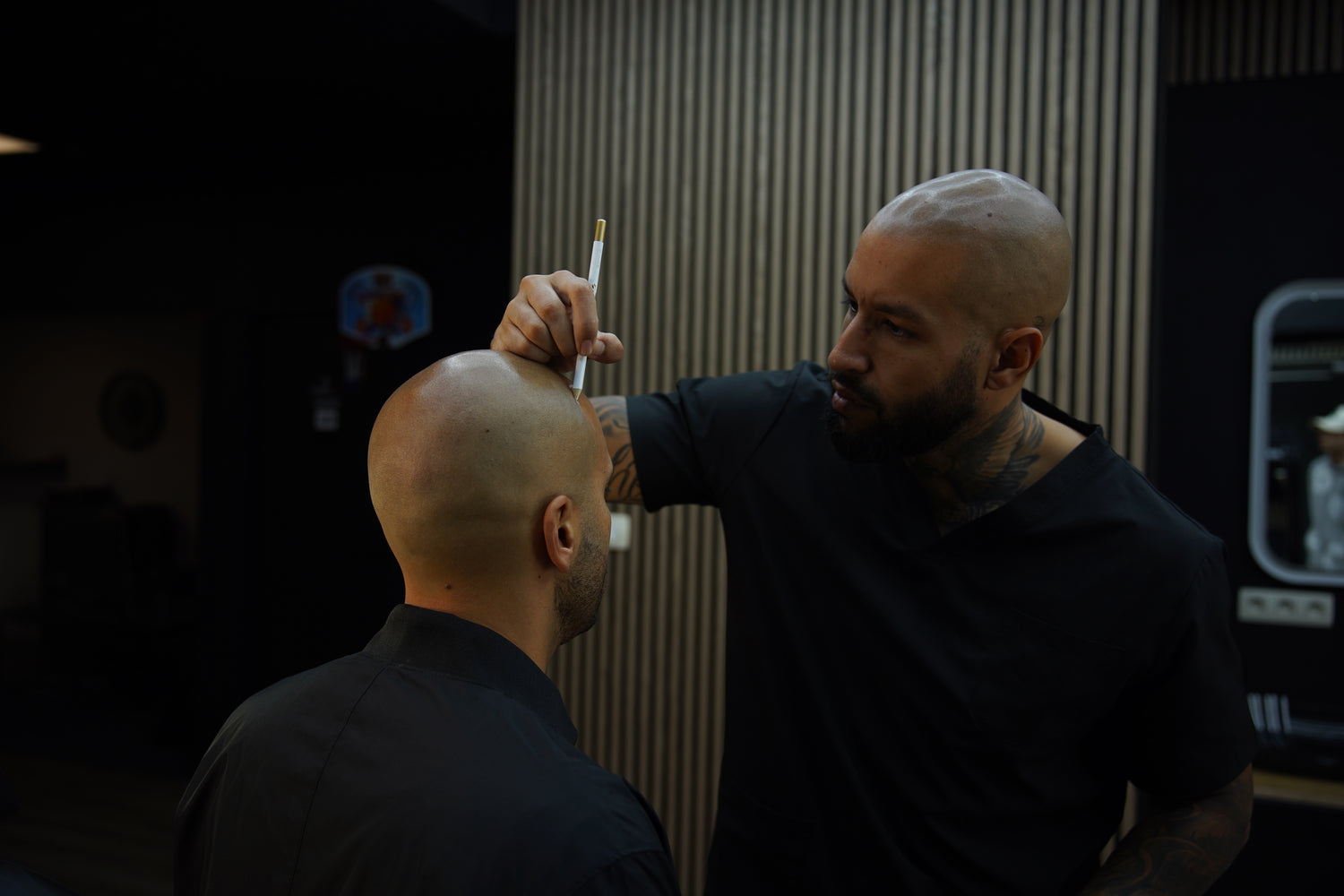
Na de eerste sessie zie je al duidelijk verschil: een natuurlijke haarlijn of een egale, geschoren uitstraling.
De pigmentatie blijft jarenlang mooi, met minimale nazorg.
Scalp Micropigmentatie zorgt niet alleen voor een voller kapsel, maar ook voor vernieuwd zelfvertrouwen.

Vrijblijvend advies bij Goons & Queens
Benieuwd of SMP iets voor jou is?
Onze ervaren specialisten geven graag persoonlijk advies en stellen een behandelplan op maat samen.
Boek vandaag nog een vrijblijvende consultatie en ontdek wat Scalp Micropigmentatie voor jou kan betekenen.